
What to Expect When You Buy a Home: The Process, Step by Step, and What to Ask at Each One
What to expect when buying a house, from preapproval to closing day: what happens at each step, how long it takes and what to ask before you move on.

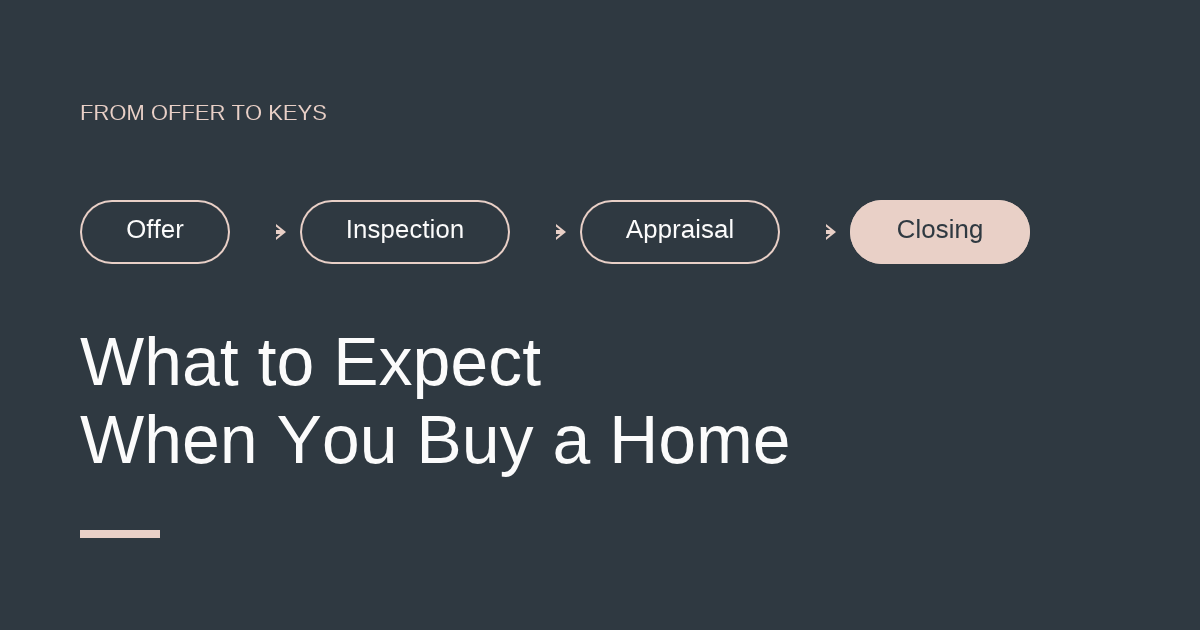
If you’re searching what to expect when buying a house, you’re probably excited and a little nervous at the same time. Both make sense. It’s one of the biggest purchases you’ll ever make, and most people only do it a few times in their life.
Here’s what I’ve noticed. People don’t get into trouble because they’re careless. They get into trouble because nobody told them what came next. Read through any first time home buyer thread online and you’ll see the same words over and over: I wish I knew.
So let’s walk through it in order. What happens at each stage, about how long it takes, and what to ask before you move on to the next one.
Step 1: What to expect before buying a house
Knowing what to expect when buying a house starts with the money, so line up your lender before you make an offer. Getting preapproved for a mortgage tells you what you can borrow, and it shows a seller you’re serious.
A preapproval isn’t your final loan, though. You can’t see your final loan numbers until you’re under contract on a specific home, because the lender needs the property, the price and the appraisal to finish the math. So get preapproved with a lender you trust, and ask how they’ll keep you updated once the clock starts.
Do I have to use the lender I got preapproved with? No. A preapproval doesn’t commit you to anyone. But timing matters a lot here, and I’ll come back to it in Step 3.
Plan for more than the down payment, too. Closing costs, the inspection, the appraisal and the move all come due in a short window.
What to ask your lender:
- •What will my full monthly payment be, including taxes and insurance?
- •How much cash do I need for closing costs and earnest money?
- •What could change my approval between now and closing?
- •Who do I call if you’re out of the office?
Step 2: What goes into an offer on a house?
Your offer is more than a price. It also sets your deadlines, what happens if something goes wrong, and who pays for what.
Most offers include earnest money. That’s a deposit that shows the seller you’re committed. The closing company holds it until closing, then it goes toward your purchase. Ask your agent when it’s due, because it’s often due within a few days.
Can I ask the seller to pay closing costs? Yes, you can ask. That’s a seller concession. Your loan type limits how much a seller can contribute, so get that number from your lender before you write the offer.
Plan for year two: is a home warranty worth it?
Part of knowing what to expect when buying a house is planning for year two, not just closing day. It’s not enough to have your down payment and closing costs ready. Think about what happens two years in. The HVAC, the water heater and the roof can all pass inspection because they work today. They may just be older, and older systems tend to fail on their own schedule.
When that happens, homeowners insurance usually won’t help. That’s the difference people are looking for when they search home warranty vs homeowners insurance. Insurance covers sudden damage, like a storm or a fire, not things that wear out with age. A home warranty covers the repair or replacement of covered systems and appliances when they break down from normal use.
Expect to pay about $400 to $1,200 a year for a home warranty, depending on the size of the home and what it needs covered. If the home has more than one heating and cooling unit, for example, it will cost more. One year of coverage can still cost far less than a single major repair.
If you can, ask the seller to pay for it as part of your offer. If they won’t, think twice before skipping it yourself. And read the contract before you buy. Some warranties cover roofs only up to a certain age, or not at all. Some cover HVAC with limits. Most charge a service fee for each visit.
What to ask before you sign the offer:
- •How much does my loan allow the seller to pay toward closing costs?
- •How old are the HVAC, the water heater and the roof?
- •Who’s paying for the home warranty, and what does it actually cover?
- •When is my earnest money due, and how do I send it safely?
Step 3: What happens after your offer is accepted?
Congratulations, you’re under contract. Here’s what happens after your offer is accepted: a clock starts. Most purchases with a loan close in about 30 to 45 days, and every step in between has a deadline in your contract. This is the stage most people mean when they say they didn’t know what to expect when buying a house.
If you want a second loan quote, get it right away. I mean the day you go under contract, while you’re still in your due diligence period. Not two weeks later. Switching lenders doesn’t restart the clock. Your closing date stays the same, so a new lender has less time to do the same amount of work. If they can’t finish in time, the loan is at risk, and so is your earnest money. Your agent isn’t your loan officer, so this is a decision to make early and on purpose.
The inspection and the appraisal
Schedule the home inspection as soon as you can. The inspection is about condition. If the inspector suggests a closer look at the roof, the plumbing or the HVAC, take it seriously. On Reddit, one regret comes up again and again: buyers wish they’d listened and ordered those extra inspections.
The appraisal is different. It’s about value. Your lender orders it to confirm the home is worth what you agreed to pay. If your appraisal came in low, you usually have a few options, like renegotiating the price or covering the difference in cash. Your contract decides which ones you have, so read it with your agent.
Why it can feel like everyone is rushing you
This is the part nobody explains, so let me say it gently. Once you’re under contract, the contract is a timeline. Each deadline protects something, and your earnest money is on the line if you miss one.
If your due diligence period ends and you haven’t acted, the contract may still require you to buy the home, even if you’ve changed your mind. A contract is a contract.
So when your agent keeps reminding you about dates, they’re not chasing a commission. They’re protecting your timeline and your money. The pressure you feel is the contract, not the person.
What to ask once you’re under contract:
- •What are every one of my deadlines, and what happens if I miss one?
- •When does my due diligence period end?
- •If I want a second loan quote, can that lender close by my closing date?
- •What did the inspector recommend checking further?
Step 4: What to expect in the final weeks of buying a house
If you’re wondering what to expect when buying a house in the last few weeks, it comes down to underwriting, the final walkthrough and closing day. This is where your loan becomes final. Underwriting is the lender’s full review of you and the home, using updated documents.
How long does underwriting take? It varies. It can be a few days or a few weeks, depending on your loan and how fast you send what your lender asks for. The biggest thing you control is speed. When your lender asks for a document, send it that day.
Why is my mortgage stuck in underwriting? Usually it isn’t stuck. The underwriter has questions, called conditions, and that’s normal. Until you close, don’t open new credit, finance furniture, change jobs or move large amounts of money without talking to your lender first. Any of those can change your approval.
When everything checks out, you’ll hear the words “clear to close.”
Final walkthrough checklist
Next comes the final walkthrough, usually a day or so before closing. Here’s a simple checklist. This isn’t a second inspection. You’re confirming the home is in the condition you agreed to buy it in.
The seller finished any repairs they agreed to, and you have the receipts.
Everything the sale includes is still there.
Faucets, toilets, lights, outlets, heat and air all work.
You find no new damage, leaks or leftover items.
Closing day: what to expect when buying a house
You’ll sign a lot of documents, and it can take an hour or longer. Before that day, you should receive your Closing Disclosure. Compare it with your Loan Estimate, and ask about anything that changed. You can take your time and ask questions at the table, too.
One warning before you send any money. Scammers target buyers right before closing with fake wiring instructions by email. Never wire funds based on an email alone. Call your closing company at a number you already know is real, and confirm before you send anything.
What to ask before closing:
- •Are there any conditions still open on my loan?
- •How much do I bring to closing, and how do I send it?
- •Did the seller finish the agreed repairs, and where are the receipts?
Step 5: What to expect after buying a house
Celebrate first. You did it.
Then plan for the first year. Search unexpected repairs after buying a house and you’ll find story after story of something breaking within weeks of closing. That’s not bad luck. It’s just homeownership. The buyers who handle it well are the ones who planned for it.
Start a repair savings account, even a small one, and add to it every month.
Keep your home warranty contract and the claim phone number somewhere you’ll find them.
Learn where your water shutoff and electrical panel are before you need them.
Change the locks.
Save your closing documents in one safe place.
The questions that come after
Now you know what to expect when buying a house. Buying the home is one decision. Protecting it, and the people in it, is the next one. If this article helped, my free guide, The Questions Nobody Told You to Ask, walks through the questions most people don’t think to ask until they need the answers.
A friendly reminder: I’m sharing what worked for me and what I’ve learned walking with others through it. I can’t promise you’ll get the same results, because no two situations are the same. What I can promise is honest education and a clear next step. What you do with it is up to you, and I’ll be cheering you on.